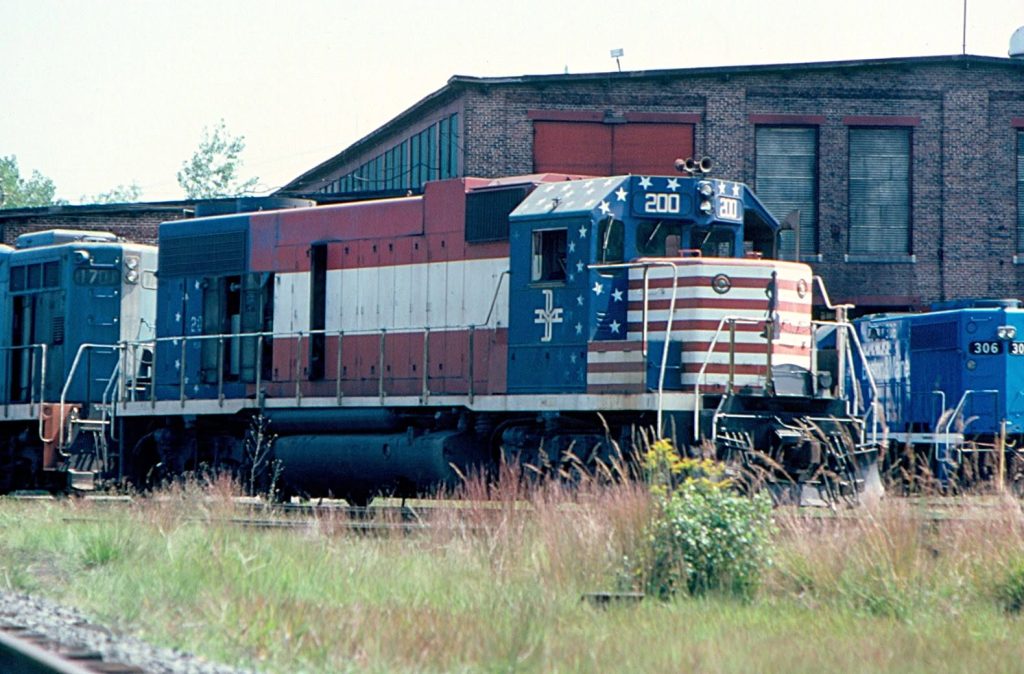
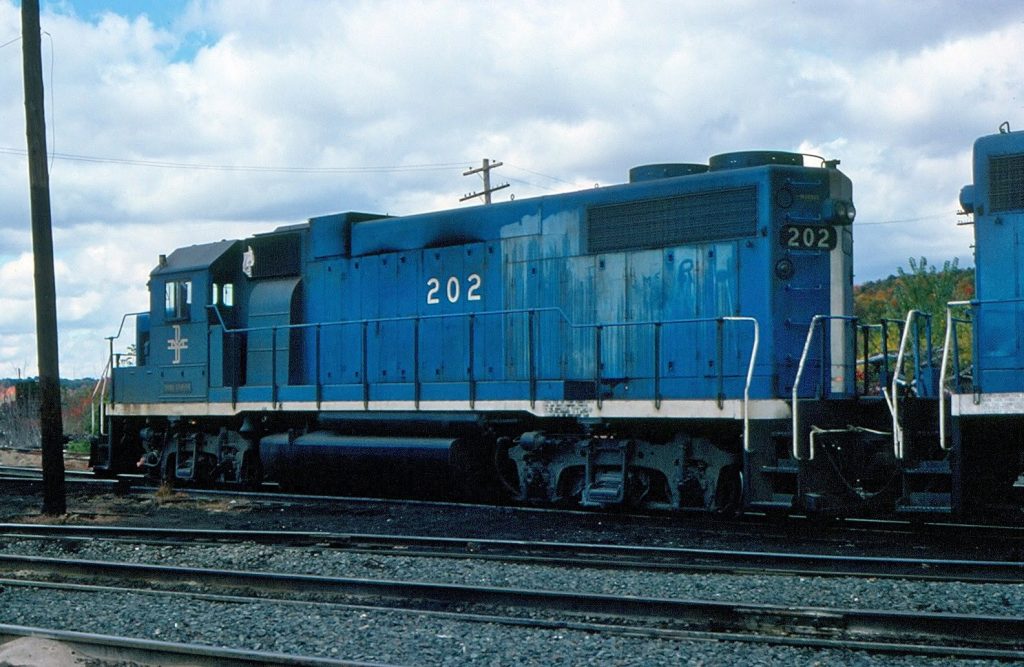
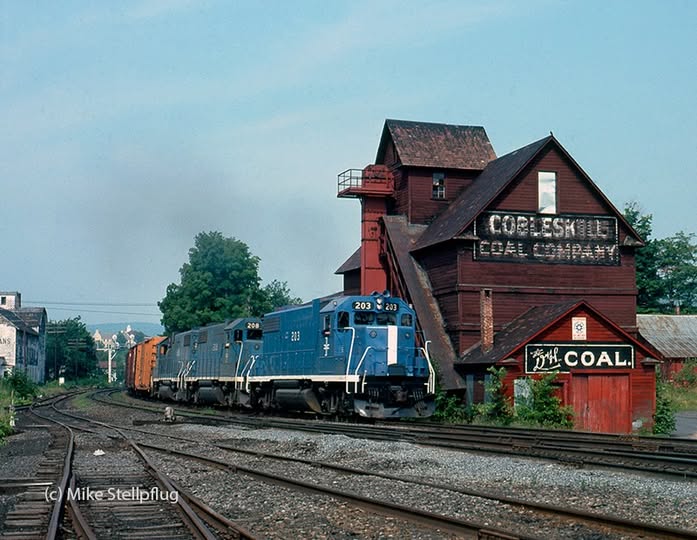
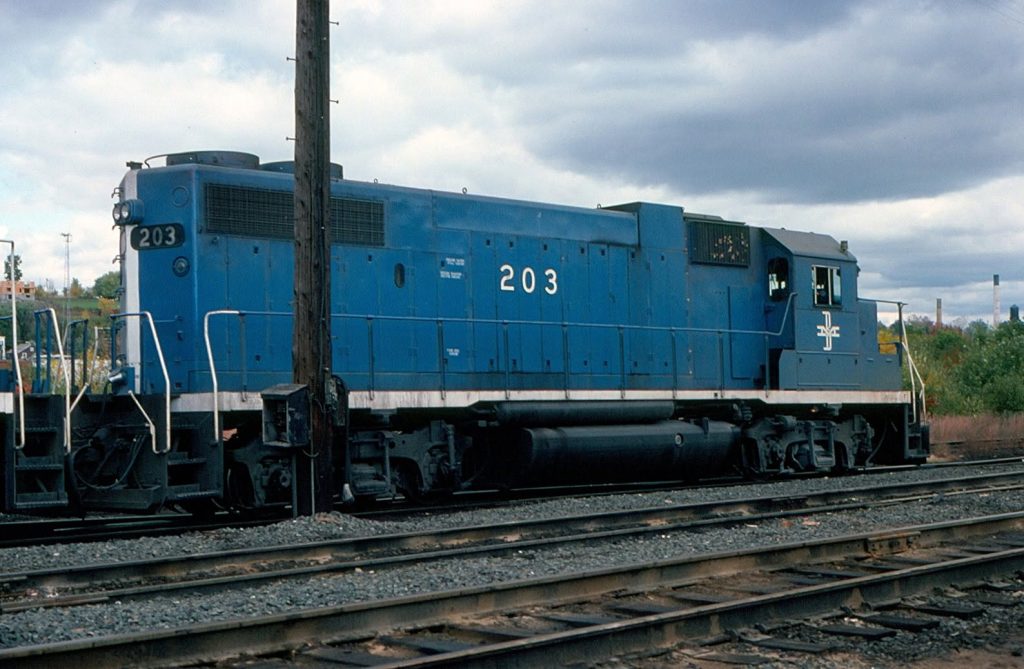
EMD introduced the GP38-2 in 1972 as part of its “Dash 2” line, an evolutionary step that built on the proven success of the original GP38. With a 2,000-horsepower, non-turbocharged 645 prime mover, the GP38-2 was every bit as versatile and dependable as its predecessor. The real improvements came inside: modular electronics, upgraded wiring, and standardised components that made the locomotives easier to maintain and more reliable in daily service. Externally, they were almost indistinguishable from the GP38, but under the hood they represented a new generation of engineering refinement.
Boston & Maine
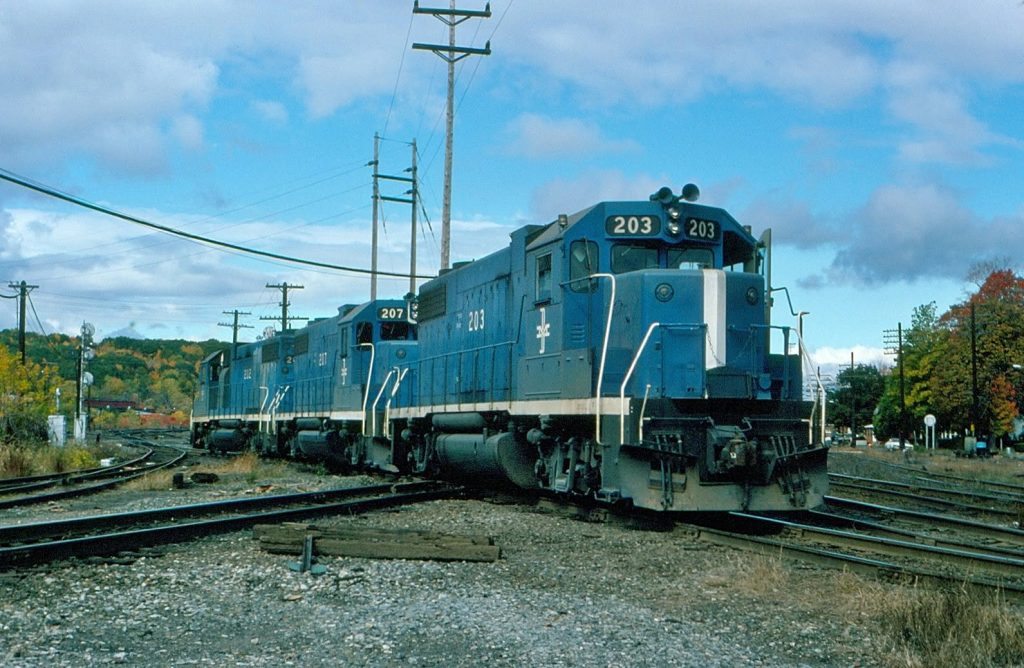
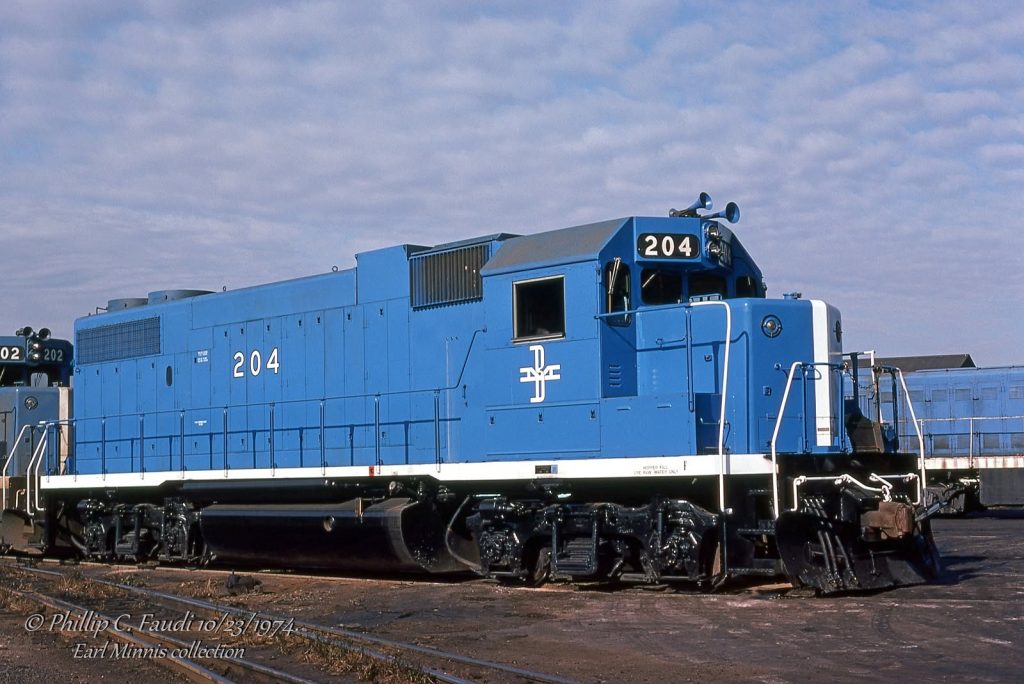
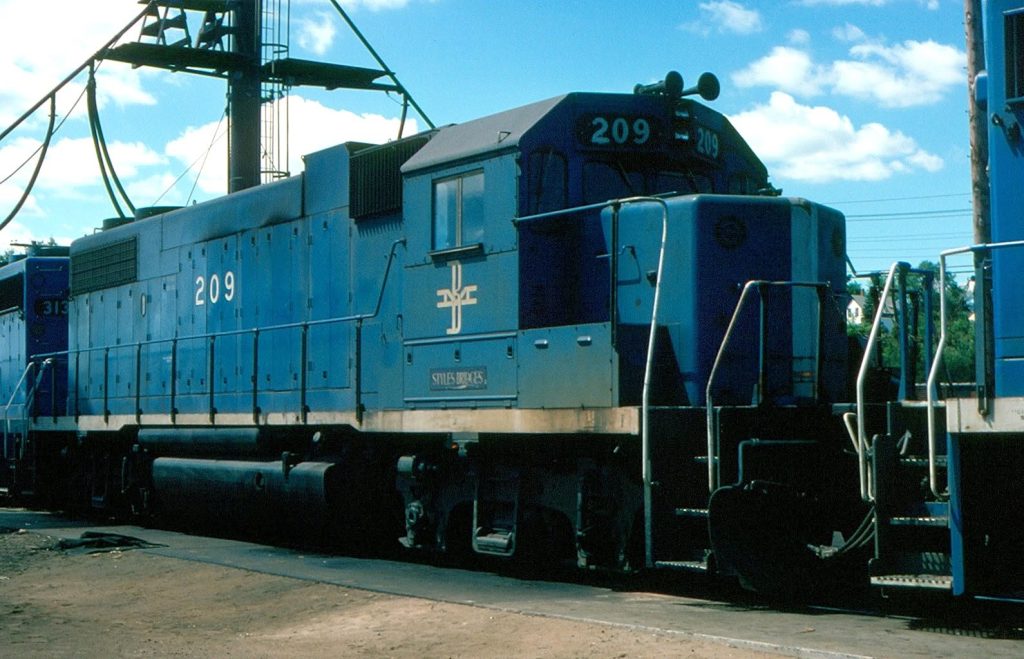
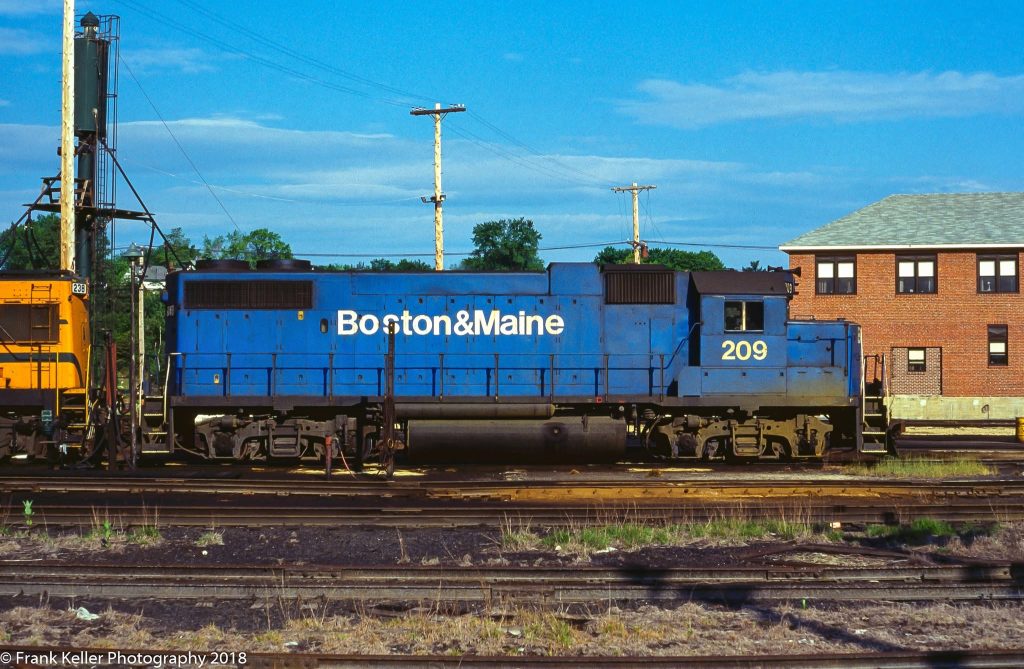
In December 1973, the Boston & Maine broke a twelve-year drought in new locomotive purchases with an order for GP38-2s. Delivered in McGinnis blue and white, they were modern by B&M standards and quickly assumed a prominent role across the system. Several were named after New Hampshire political figures, while others carried variations in striping and sill treatment that added variety to the class.
When Guilford Transportation took control in the 1980s, the GP38-2s were gradually repainted into the corporate grey and orange scheme, though a few carried the old blue and white into the mid-decade. Modest rebuilds and detail changes followed, but the type remained a fixture of Guilford operations well into the 1990s.
Later “Dustin Dip” treatment with the white sill stripe.
RRPA
204
RRPA
205
“Hannah Duston”. One of only two GP38-2s to get orange step wells. Guilford by Feb 1989.
RRPA
206
Later “Dustin Dip” treatment with the white sill stripe. Guilford by Sep 1985.
RRPA
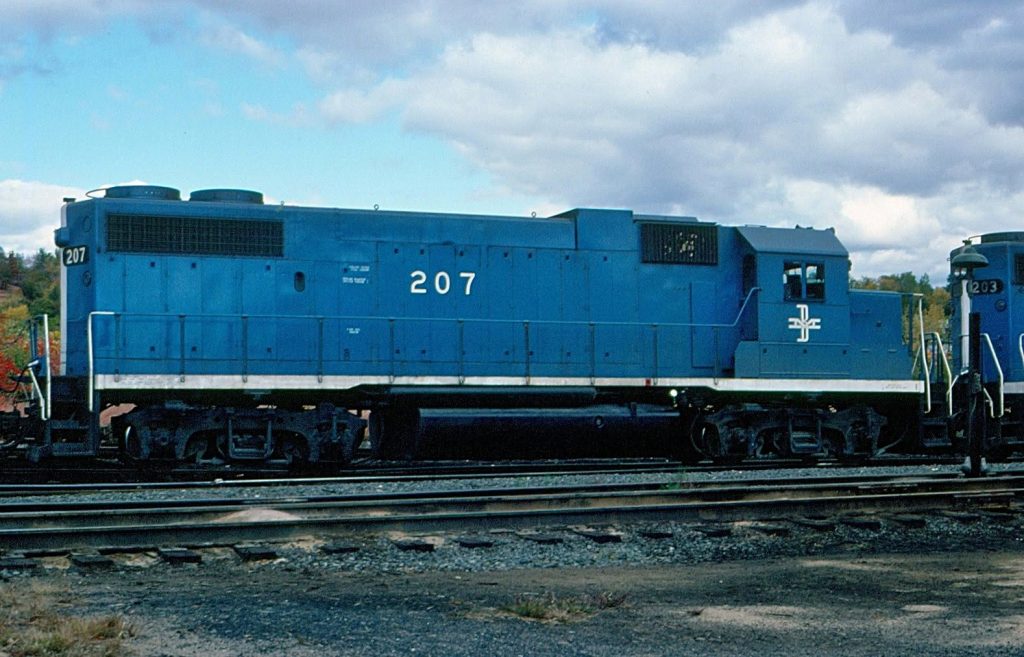
207
One of only two GP38-2s to have the white nose stripe to include the headlight. One of only two GP38-2s to get orange step wells. Guilford by Dec 1988.
RRPA
208
Later “Dustin Dip” treatment with the white sill stripe.
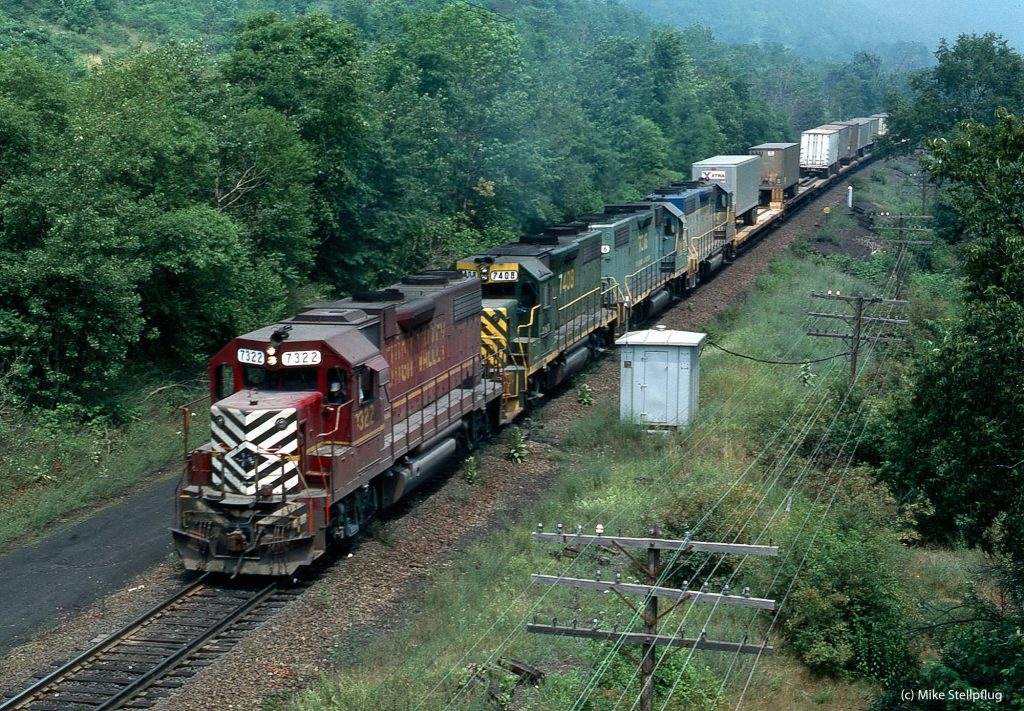
The Allagash looked to the Dash 2 line in the mid-1970s, following the industry trend toward standardised, reliable second-generation power. The GP38-2 was a natural fit for the railroad, offering the same dependable 2,000-hp non-turbocharged prime mover as the earlier GP38s but with modernised electronics and improved maintainability.
Delivered in 1974–75 and numbered in sequence behind the earlier GP38s, the new power wore Spruce Green with Deluxe Gold lettering and quickly took over front-line assignments from older Geeps and the last surviving cab units. They worked system-wide, from bridge manifests across Maine to pulpwood drags on the northern branches.
The GP38-2s marked a turning point for the Boston & Maine. Arriving in an era of financial strain and deferred investment, they gave the railroad a shot of modernity it badly needed. For Guilford, they became solid, unglamorous workhorses, more reliable than older power and flexible enough for everything from mainline freights to locals. Today, a few survive on short lines and in lease fleets, their blue-and-white heritage long faded but their reputation for steady, uncomplicated service intact.